A survey has determined that rent is eating up a greater share of tenants’ income in almost every state. Arizona and Nevada have had the biggest spikes in renters paying 30% or more of their income on housing from 2019 to 2023.
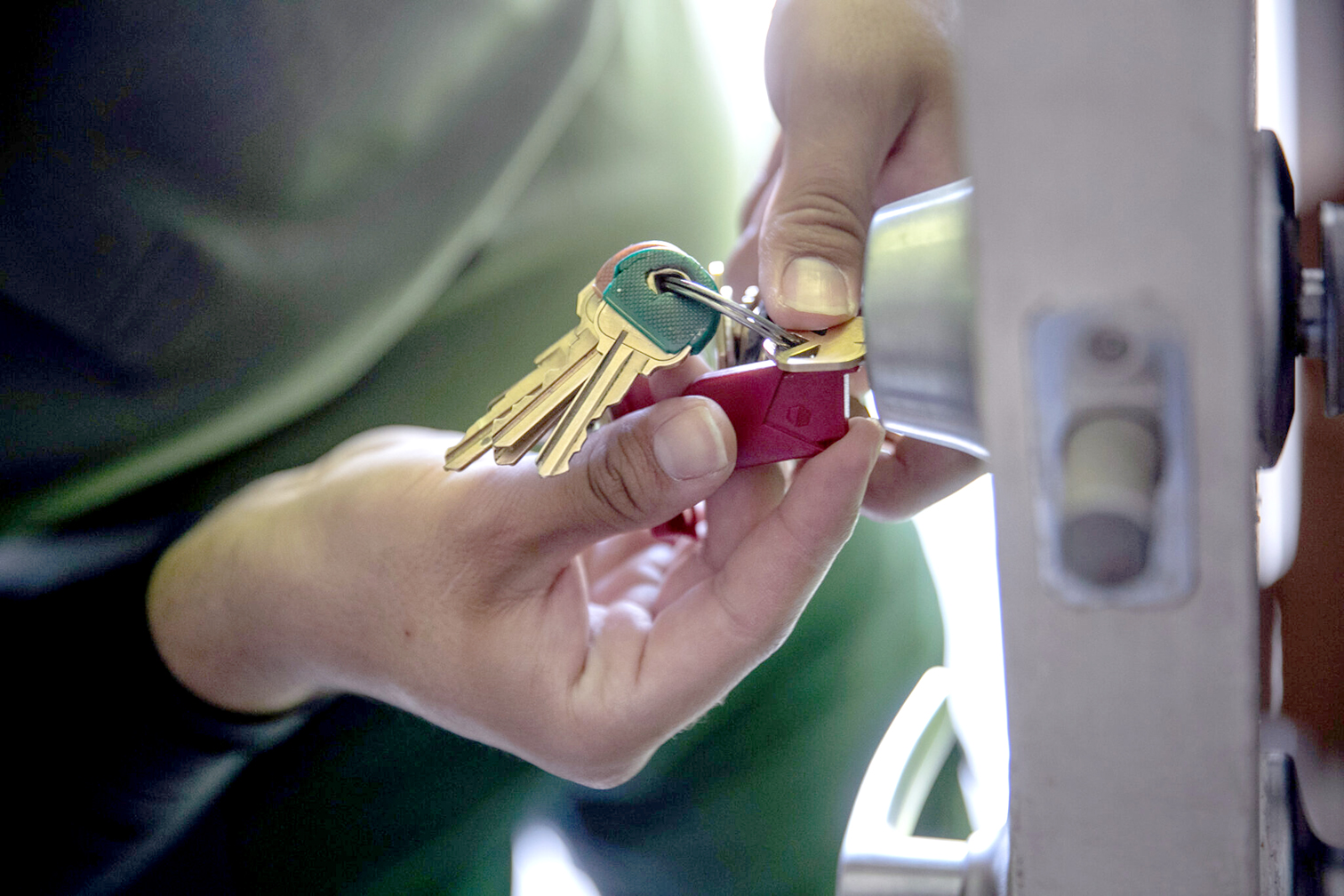
An apartment maintenance man changes the lock of an apartment after constables posted an eviction order in Phoenix. In Arizona, low wages, a housing shortage, and short-term rental and vacation homes are eating away at the stock of affordable housing for renters. Photo by John Moore/Getty Images/Kansas Reflector
A survey has determined that rent is eating up a greater share of tenants’ income in almost every state. Arizona and Nevada have had the biggest spikes in renters paying 30% or more of their income on housing from 2019 to 2023.

There were 21 states where a majority of tenant households spent 30% or more of their incomes on rent and utilities last year, compared with just seven states in 2019.
Nationwide, about 22 million renters are shouldering that percentage. Anyone paying more than 30% is considered “cost burdened,” according to the U.S. Department of Housing and Urban Development, and may struggle to pay for other necessities, such as food, clothing, transportation and medical care.
Three presidential swing states had among the biggest increases in the share of renters who spent that much on housing: Arizona (to 54% from 46.5%), Nevada (to 57.4% from 51.1%) and Georgia (to 53.7% from 48.4%). The numbers are based on a Stateline analysis of American Community Survey data released today by the U.S. Census Bureau. Florida and Maine also saw large jumps.
The Iola Register needs your voice. We welcome your on-topic commentary. Comments are moderated for civility. Please read our Comment Policy before commenting.
Leave a Reply
You must be logged in to post a comment.