Plan for lice control this winter

Lice negatively impacts the health, performance, and wellbeing of cows, stockers, and feedlot cattle during the winter months. Planning ahead, treating and segregating new additions for 30 days, can help reduce the risk of lice.
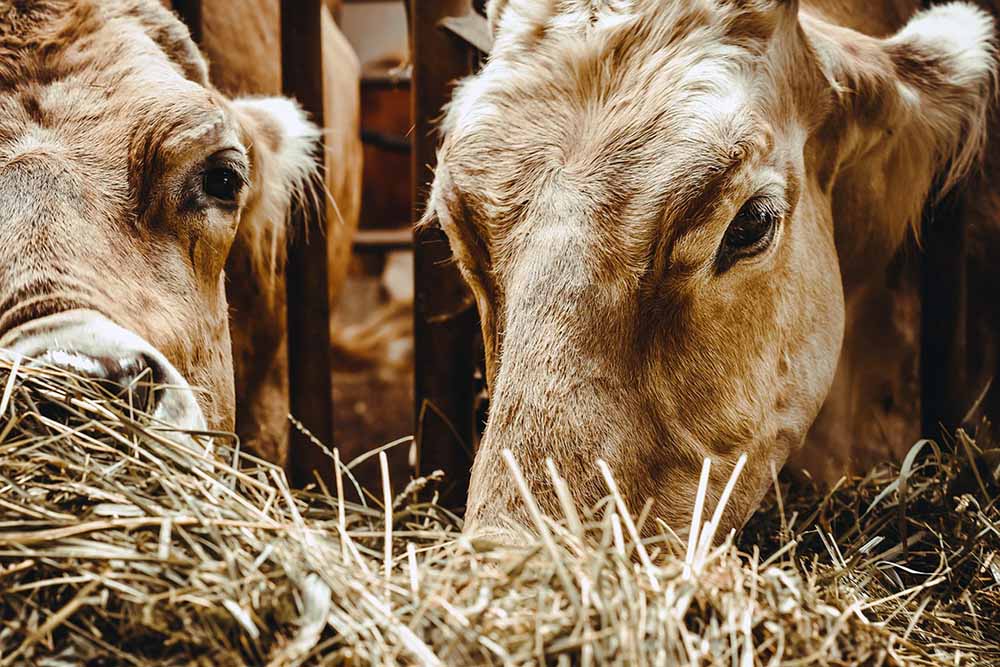
Lice negatively impacts the health, performance, and wellbeing of cows, stockers, and feedlot cattle during the winter months. Planning ahead, treating and segregating new additions for 30 days, can help reduce the risk of lice.

Lice negatively impacts the health, performance, and wellbeing of our cows, stockers, and feedlot cattle during the winter months.

Not only can lice be the cause of direct animal performance losses, but also increases wear and tear on our facilities and fences. The direct losses to cattle come in forms of decreased average daily gains, skin infections, and potentially blood loss and anemia.

While there are several different species of lice found in the United States, they can be broken down to either biting or sucking lice. The biting lice feeds topically on the skin while sucking lice pierces the hide and consumes blood from the animal. Both types of lice spend their entire life cycles on the cattle hosts.

Hunter Nickell – Southwind Extension

Leave a Reply

The Iola Register Comment Policy

The Iola Register needs your voice. We welcome your on-topic commentary. Comments are moderated for civility. Please read our Comment Policy before commenting.