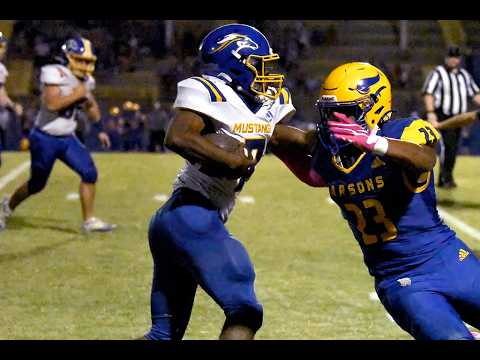
Leo Burger’s legacy in and out of the halls of Iola High School was already secure, whether it be as a star athlete, a long-time educator, or a coach and athletic director.
But through the years, as generations of students and faculty come and go, it’s easy to overlook the stalwarts of Iola’s past.
Friday’s “long overdue” induction of Burger into the Don Bain Hall of Fame will better remind all who pass through the halls of IHS just how deep Burger’s footprint on the school’s history has been, and still continues to be, noted Tony Leavitt, a fellow Mustang alum and now USD 257 school board member.
Consider that Burger, a star athlete in his own right, led the Mustangs to an undefeated season in 1925, one of just two times Iola went through a season with no losses.
His return years later as teacher and coach, from 1940 until his passing in 1969, is what most will remember, as he coached or hired such luminaries as Don Bain, Wendell Frazell and Marv Smith to lead various Mustang squads into their respective athletic competitions.
“Folks like those who have had such a huge impact on this community fall right into his footsteps,” noted John Masterson, who was a student while Burger was still athletic director at Iola High.
It was Burger who convinced Iola youth Harvey Rogers to try out for the high school football team, making Rogers the first Black to have competed in Southeast Kansas League athletics, Masterson noted.

Rogers was unable to attend Friday’s ceremony, but recorded a private message for Burger’s family members.
Masterson told how Burger’s support convinced Rogers and his parents that by playing football, he would open doors to other minorities hoping to don the blue and gold.
Leavitt, meanwhile, spoke about his interactions as a youth with Burger, who was good friends with Leavitt’s grandfather, Floyd Smith, another long-time educator at IHS.
Those interactions were at backyard barbecues and hunting trips, Leavitt said, recounting a story where after tagging a rabbit on one hunting trip, it was Burger who suggested Leavitt, then about 10, was mature enough to handle a rifle.
“Probably one of the proudest moments of my life,” Leavitt smiled.
Leavitt noted Burger was renowned for being tough, but fair, to his athletes and students. “I understand why my granddad and Mr. Burger got along so well,” Leavitt said. “They were a lot alike.”

MARV SMITH shared how it was Burger who convinced him to give coaching track and field a try a year after he was hired as an assistant football coach in 1966.
Smith grew up in Oklahoma, at a school that didn’t even have a track program.
But head coach Doc Stiles was in dire need of an assistant coach, particularly somebody who could work with hurdlers.