
Investments grow in community garden
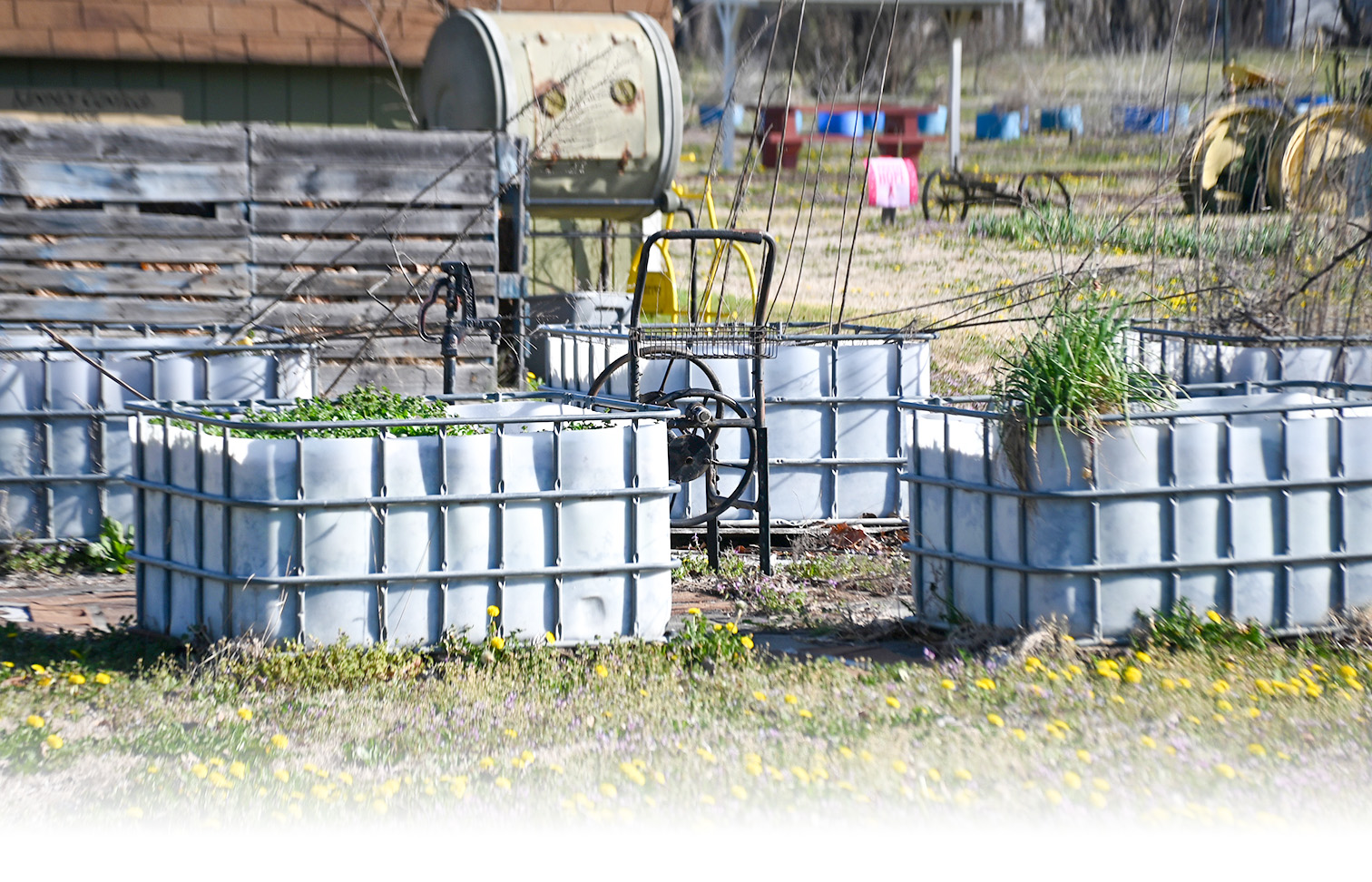
On a quiet stretch of land in Iola’s floodplain, rows of vegetables push through the soil each spring with a seemingly stubborn optimism. At the community garden operated by Humanity House, growth is never guaranteed — but it is always pursued.
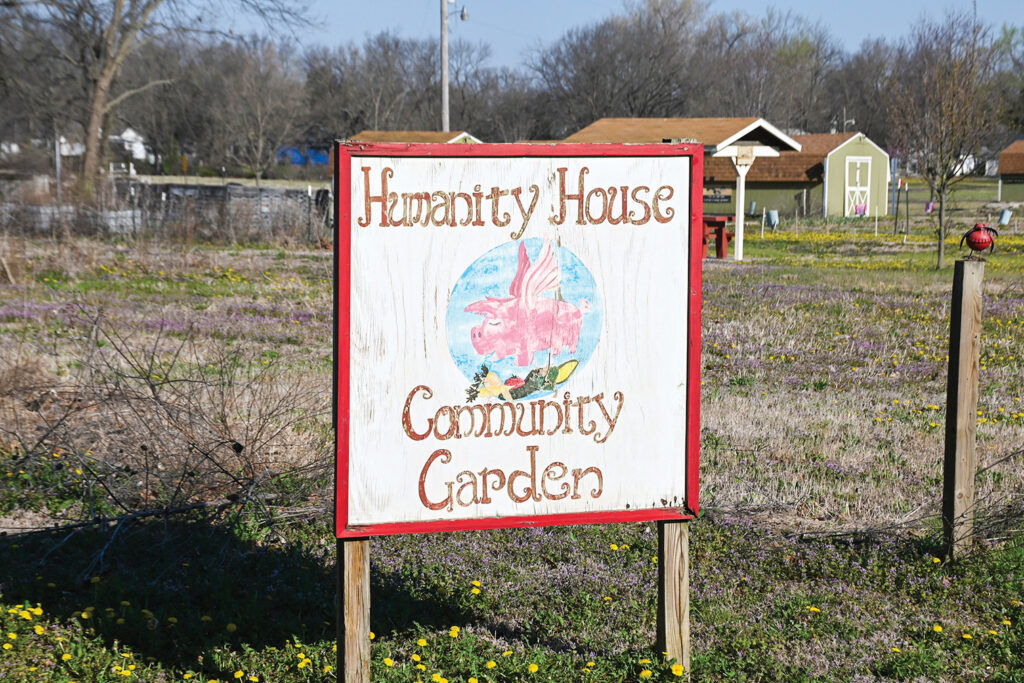
The garden itself predates Humanity House. Originally known as the Elm Creek Community Garden, it was created by Val and Carolyn McLean, who transformed their property along First Street into a shared growing space for the community. When they moved away, they donated the garden in January 2018, and Humanity House took on both its care and its mission.
“We wanted to use the untilled ground, part of it, to grow produce that we could give away,” said Georgia Masterson of Humanity House. Today, that vision continues through a hybrid model: individual gardeners rent plots while additional space is cultivated to supply fresh produce to the organization’s food pantry.
Each plot — measuring 12 by 24 feet — rents for $30, though many qualify for a free plot by contributing two hours of garden work. The season officially opened March 17 and gardeners are expected to have their plots underway by May 1. It’s a system designed to be accessible, but like the garden itself, it depends on commitment and care.
FEW EMBODY that commitment more than Darcus Kottwitz, a longtime gardener who has worked six plots at the site for years. Her connection to the land runs deep, shaped by a lifetime of farming and growing food. Her favorite crops include potatoes, onions, radishes, lettuce, spinach, tomatoes, peppers, cucumbers, squash, and melons.
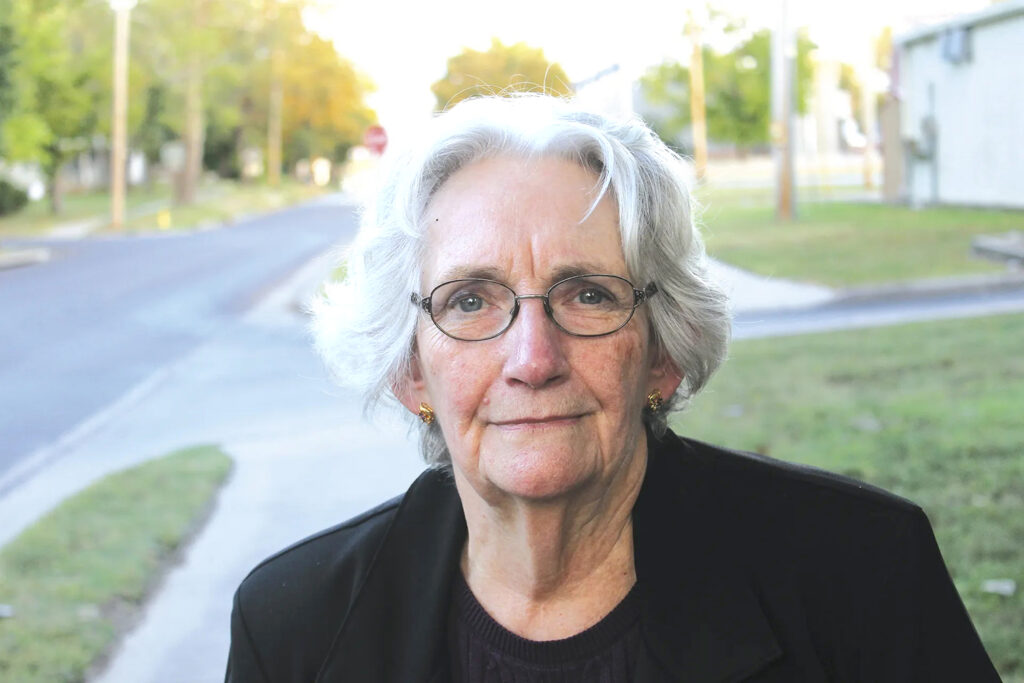
Kottwitz prefers to garden in the ground rather than raised beds. A former nursing instructor at Fort Scott Community College for 28 years, she retired in November 2024 and began working in medical records at Diversicare in Chanute in January 2025. At 80 years old, she still tends her garden with determination.
“I want my own food,” she said. “I grow my own vegetables and buy meat from farmers and I’m pretty set.”
Her garden is also a family space. Children and grandchildren help plant potatoes and onions, set tomato cages, and spread straw mulch.
For Kottwitz, gardening is more than sustenance. “That’s my relaxation,” she said. “It’s therapeutic in a way.”
ONE OF the defining features of the Humanity House garden is its commitment to organic practices. When Humanity House assumed management, chemical use was banned, making gardening more challenging but aligning with a healthier, more sustainable approach.
“It’s a lot harder to control weeds and pests without the chemicals,” Masterson said.
Gardeners like Kottwitz have adapted with creative, natural solutions. She plants dill among her squash — not just for flavor, but for pest control. “They will eat the dill and not the tomatoes,” she explained of tomato worms. Garlic spray and even diluted dish soap help deter insects.
Still, nature has its own agenda. “Deer and groundhogs,” Kottwitz said when asked about her biggest challenges. Wildlife regularly shares in the harvest, whether invited or not.
And sometimes, the challenges are human. “People who steal have been a challenge,” she added. “That’s frustrating especially when you put so much hard work into it.”
Yet despite these frustrations, the garden fosters generosity. “Those of us who garden have done a lot of sharing,” she said. “Somebody might do one kind of squash, or somebody else may try a new tomato or a new pepper, and we share it around.”
IN GOOD years, the garden produces between 7,000 and 10,000 pounds of food for Humanity House — everything from potatoes and onions to peppers, squash, eggplant, and melons. That produce is distributed to the community, often displayed on tables outside Humanity House at 110 East St. for anyone who needs it.
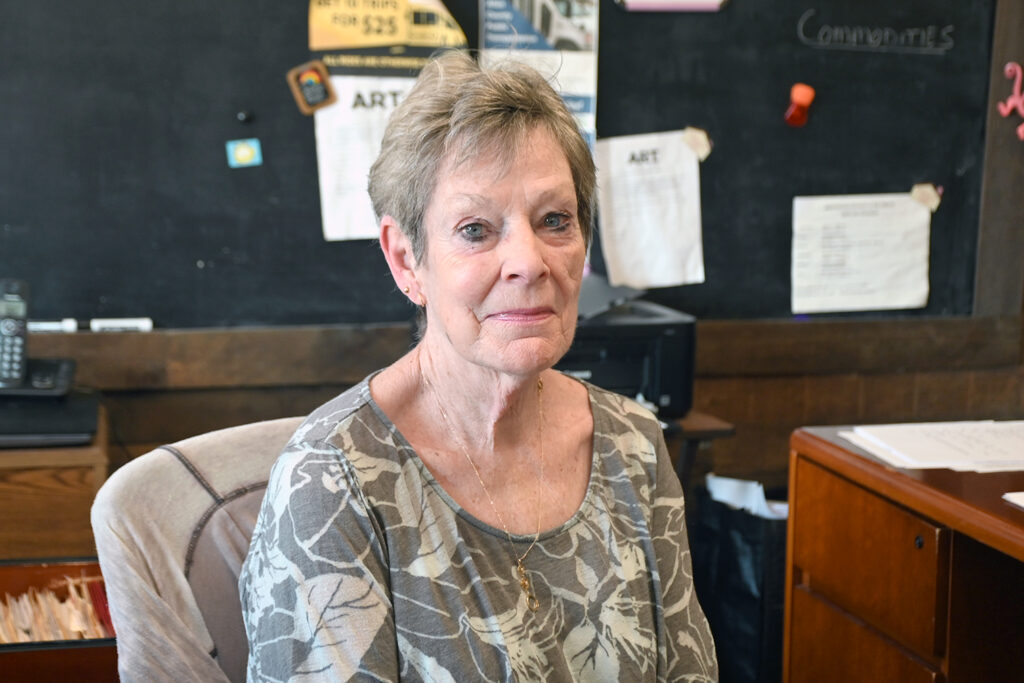
“It encourages people to eat healthier,” Masterson said, noting the high cost of fresh produce in stores.
But the garden’s location presents a constant risk. Situated in a floodplain, it faces regular setbacks.
“Floods have wiped it out almost every other year,” Masterson said. In some cases, entire harvests have been lost — not only to water damage but to contamination concerns that required crops be destroyed.
The unpredictability extends beyond weather. When the McLeans donated the garden, they also passed along a tractor that had been owned by the Elm Creek organization. For years, that equipment was carefully stored — first in a nearby garage when former garden manager Tracy Call’s mother lived across the street. But after she moved following a major flood, the tractor had to be left out in the open.
“It was just parked next to one of the sheds down there, parked out in the open,” Masterson said. Recently, both the tractor and a mower were stolen. The loss has forced Humanity House to rely on community goodwill, including a local man who stepped in to plow the garden for free, while the organization works to replace the equipment.
That spirit of stepping in and moving forward has carried into a new chapter for the garden.
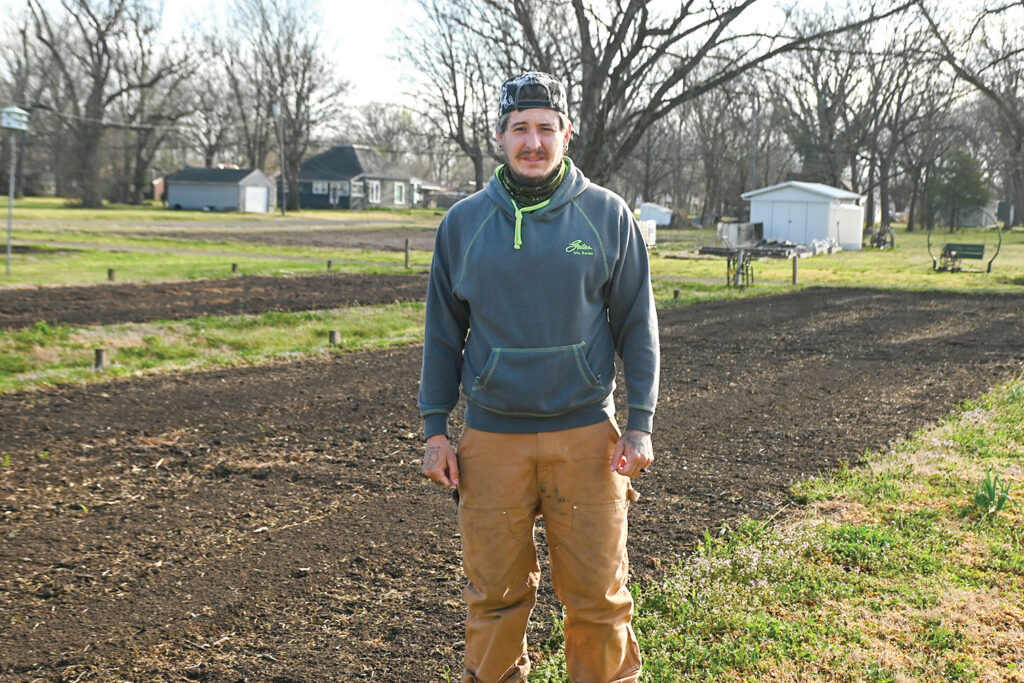
ENTER Littlebear Lucero, the garden’s new manager, just a month into the role. With a background in culinary arts from Southeast Community College in Lincoln, Nebraska, 33-year-old Lucero brings a fresh perspective rooted in a love for fresh ingredients.
This year, the focus is on resilience. Humanity House is adding 10 new raised beds, funded in part by grants from Frontier Farm Credit, and installing drip irrigation systems. The raised beds are designed at a height that reduces the need for bending, while also protecting the produce.
“If it floods or anything like that, it’s not going to hopefully take out most of the crop,” Lucero said.
Lucero noted that there are also long-term plans for greenhouses, which could extend the growing season year-round, and efforts to attract more community participation. “We’re hoping to grow enough fruits and vegetables to give away in the food pantry to the community,” Lucero said, adding that he also wants children to experience the joy of harvesting food themselves.
DESPITE FLOODS, pests, and setbacks, the Humanity House community garden continues to grow because the people behind it do not give up. Masterson hopes the addition of raised beds will renew interest and rebuild confidence. “Hopefully, people who were discouraged by past flooding will be willing to come back and try it again,” she said.
And for gardeners like Kottwitz, there is no question of continuing. “I plan to continue gardening as long as I’m able. I had a couple years when I couldn’t garden when I had to have back surgery,” she said. “Back surgery and gardening don’t go well together.”
As long as the soil can be turned and seeds can be planted, Kottwitz says she will be there — growing tomatoes, sharing what she can, and finding peace among the rows of the community garden.
Sarah Haney
Sarah joined the Register in November 2023. With 13 years of experience in journalism, she is a 2009 graduate of Cottey College, in Nevada, Mo with a degree in English. Upon graduating, she began her career in journalism at her hometown paper in 2010. Over the next 13 years (and a brief hiatus to Fayetteville, Ark.), she worked her way up to the position of editor and enjoyed the connections she built within her community. Sarah is a member of Rotary Club International and the P.E.O. Sisterhood. She enjoys reading, listening to her vinyl records, and spending time with family and friends.
The Iola Register Comment Policy
The Iola Register needs your voice. We welcome your on-topic commentary. Comments are moderated for civility. Please read our Comment Policy before commenting.



Leave a Reply
You must be logged in to post a comment.