While much has been written through the years about how Kansas came to be, much less has been penned about the Sunflower State’s musical origins.
Derrick Doty hopes to change that.
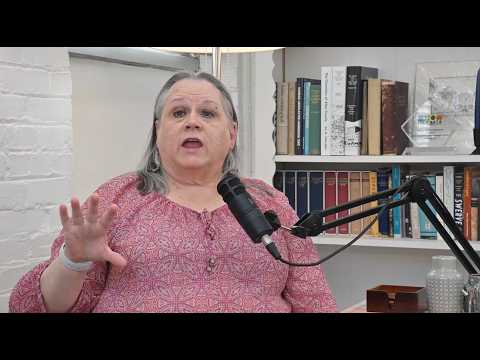
Doty spoke about Kansas musical history at Wednesday’s Allen County Historical Society winter meeting, hosted by the Bowlus Fine Arts Center.
“Our musical history is fascinating, and it’s a story that doesn’t often get told,” Doty said. “When you read history books, you read about great battles, politicians, important people.”
But few wrote about Kansas’s cultural traditions, from house dances to early musicians.
“We’ve seen evidence of it in the early days,” he noted. “It was here. We just didn’t take the time to document it.”
Doty, who has taught music lessons for more than 20 years, is doing his darnedest to dig up as many of those stories as he could find.
He touched on a number of them Wednesday.

His story began in 1854, when Kansas was first established as a territory.
The time, he reminded the crowd, was filled with anticipation on whether Kansas would enter the Union as a free state or a slave state.
Turns out abolitionists would frequently modify popular songs with their anti-slavery message.
He recounted how two such musicians, brothers Joseph and Forrest Savage, became popular for adapting one such abolitionist poem to the tune of “Auld Lang Syne.”
We cross the prairies as of old,
The Pilgrims crossed the sea,
To make the West as they the East,
The homestead of the free.