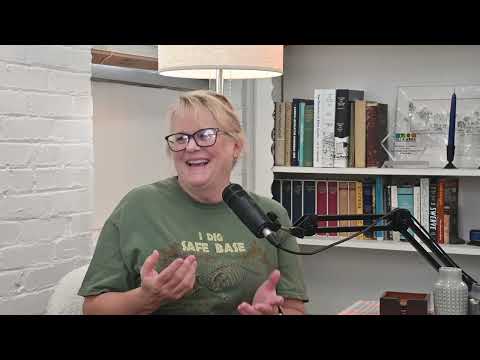
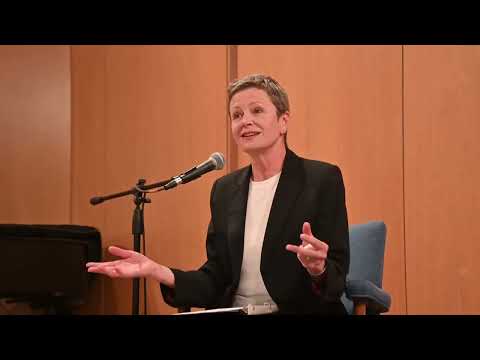
TOPEKA — Melissa Sabin spoke officially on behalf of Little Lobbyists Kansas and personally in the name of her son, Logan, against a Kansas Senate bill aggressively expanding the state’s process of verifying eligibility for Medicaid, SNAP and other public assistance programs.
She was among dozens of organizations or individuals supplying opposition testimony Wednesday on Senate Bill 363. It would impose new state application and reporting requirements, some exceeding federal mandates, for programs serving children, elderly people, poor people, pregnant women and people with disabilities.
On Tuesday, the Senate Committee on Government Efficiency, or COGE, heard from the lone proponent of the bill — a conservative Florida organization that has sought for more than a decade to slash participation in Kansas public assistance programs.
“I oppose this bill because it creates an expensive, inefficient and legally questionable administrative structure that will predictably result in eligible Kansans — especially children — losing access to health care and food assistance,” Sabin said. “SB 363 does not improve program integrity or efficiency. It instead builds layers of red tape that state agencies are not equipped to manage or that federal law does not permit.”
Sabin, state outreach manager of Little Lobbyists, said the bill was inaccurately touted by its advocates as a means of improving accountability in terms of serving 325,000 Kansans taking part in Medicaid and 188,000 enrolled in the Supplemental Nutrition Assistance Program.
Sabin said requiring determinations of eligibility to be repeated monthly or quarterly would lead to additional paperwork errors, missed notices or administrative delays rather than documentation of alleged fraud or abuse.
She said a proposal for recipients of Medicaid to have eligibility reassessed every three months, rather than at 12-month intervals, could violate federal regulations. In terms of her son, she said the bill would compel the state to reconsider four times each year whether Logan, born with a genetic disorder characterized by intellectual disabilities, was eligible despite lack of change in his medical diagnosis.
“His condition does not fluctuate with paperwork cycles,” his mother said. “His need for skilled care does not disappear because the form is refiled or a verification is resubmitted.”
Sabin’s message of opposition was shared by representatives of Kansas Action for Children, Alliance for a Healthy Kansas, United Methodist Health Ministry Fund, LeadingAge Kansas, El Centro, United Way of Harvey and Marion Counties, Flint Hills Breadbasket, Kansas Appleseed Center for Law and Justice, InterHab, Reach Healthcare Foundation, Kansas Interfaith Action, Kansas Children’s Service League, United Community Services of Johnson County, the Disability Rights Center of Kansas and others.
The Senate bill
Under the Senate bill, the Kansas Department of Health and Environment and the Kansas Department for Children and Families would be required to establish data-matching systems to automatically share personal information on Kansans with other state agencies. KDHE would have to submit data to the federal government on a monthly basis to determine if Kansans were enrolled in Medicaid in other states.
The bill would direct the Kansas Department of Labor to affirm employment status of beneficiaries, while the Kansas Department of Revenue would reveal details on household income. The Kansas Department of Corrections would track prison inmates who might be ineligible for benefits. The Kansas Lottery would be on alert for anyone winning more than $3,000 because the income bump could compromise eligibility for aid.
As written, the Senate bill would block state agencies from unilaterally requesting approval of exemptions to federal regulations. Instead, the Legislature would have to first endorse the request. The legislation also would block Kansas agencies from accepting as true an applicant’s statements on household size, age or residency — a provision that would require extensive document searches by state employees.
Sen. Cindy Holscher, an Overland Park Democrat running for governor, said she appreciated a recommendation from an opponent of the bill to convene a special committee of the Legislature to develop a better understanding of how Kansans dealt with the process of obtaining SNAP or Medicaid assistance.
Holscher said the House and Senate should do more than accept testimony from the only organization supporting the bill: FGA Action, which operates as an arm of the conservative Florida think tank Foundation for Government Accountability.
FGA was a proponent of the 2015 Kansas law restricting enrollment in SNAP and Temporary Assistance for Needy Families. Research subsequently showed the state law undercut low-income families in Kansas, made it more difficult to prevent child abuse and contributed to a record surge in the number of Kansas children in foster care.