
The August vote on Kansas Supreme Court justice selection will affect the course of our shared government and civic life for an age.
That sounds like a big, overarching statement, but it has the benefit of being true. Whether justices for the state Supreme Court will continue to be vetted via a merit-based system — albeit one that includes public retention votes — or be sent to office through statewide elections has implications for abortion care, education funding, LGTBQ+ rights and so much more.
You could watch Kansas jurists grappling with this situation at the commission hearing last week nominating a new high court member. Former Chief Justice Marla Luckert’s retirement opened a spot, and so a new crop of applicants threw their proverbial hats in the ring to serve. Members picked three finalists from the seven; Gov. Laura Kelly will make a final decision.
Commission chairman Terry Campbell talked about the system and its benefits in his opening remarks. It’s worth hearing what he has to say, especially if you’re not sure why Kansas selects judges the way it does and what benefits the process offers.
“You are watching a process that has been placed in place in Kansas for nearly 70 years,” Campbell told the audience. “The voters of Kansas back in the late 1950s adopted a process to try to ensure that we have fair and impartial courts here in the state of Kansas. It’s worked quite well.
“We’ve had a Supreme Court over the years that has reversed both the policies of Democratic governors and the policies of Republican governors. It’s resulted in a process whereby Supreme Court justices are beholden to the people of Kansas and the Kansas Constitution, and not beholden to billionaire donors to fund their election campaigns.”
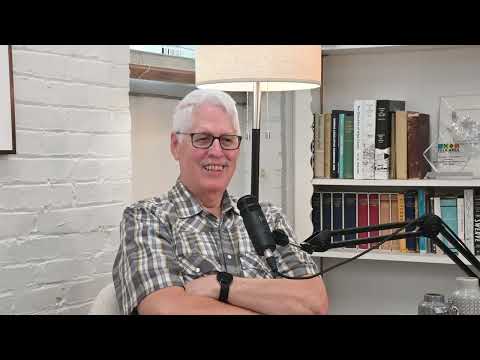
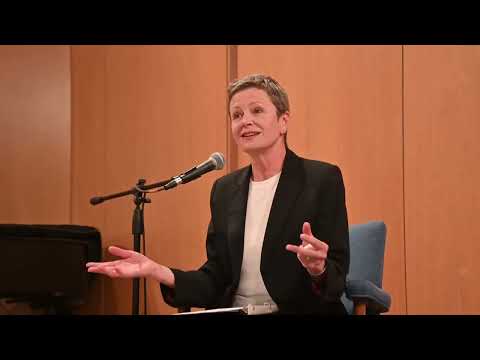
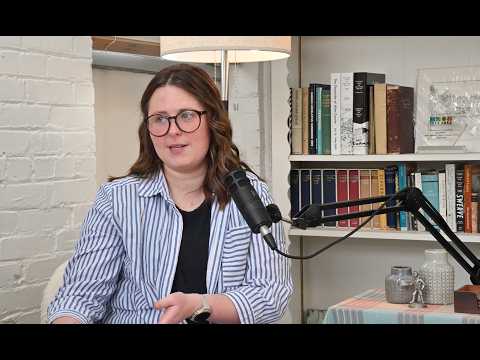
Online video of the nominating committee and its interviews shows a remarkably open, transparent process.
At the beginning, the committee panelists introduced themselves. Each of the seven Supreme Court candidates spent some 30 minutes answering detailed questions about their approach t0 the law and how they would serve. The committee gave the nominees space to explain themselves fully.
The morning and afternoon sessions of the meetings are available on YouTube.
Rather than spending millions of dollars on statewide election campaigns or attacking one another through overwrought ads, the nominees speak positively about their experience and plans.
Watch this system and ask yourself why we don’t use it for more government jobs rather than fewer.
The high court candidates were asked about the amendment and its potential effects. No, they were not asked whether Kansans should vote for or against the measure — the good people of this state will make up their own minds, as they always do. But they were asked how they would grapple with the new system.
Judge Robert Wonnell, who was one of the three final selections, struck a notably cautious note.
“It’s a question and an issue that I cannot control,” he told the panel. “It is something that I would be willing to engage and discuss and collaborate, but if I were selected to serve on the Supreme Court, and if the process were to change, I don’t know that I am capable or could become a political animal.
“I think that I would present who I am. I think that I would discuss the independence of the judiciary. I would be able to present what I’ve done, and if it is an election process, I would hope that that would be something that the voters would be interested in, but as far as any type of engagement of an opponent or something like that? I don’t see myself ever looking towards discrediting anyone else.”
Wonnell’s thoughtful response suggests a hidden issue with popular elections for the Kansas Supreme Court: Qualified people won’t run. Think about it. How many people do you know who would willingly run for public office? Our nation’s orgy of unrestrained campaign spending has made civic service look decidedly unappetizing.