Why didn’t the government dispose of dangerous munitions in Iowa before they became unstable?
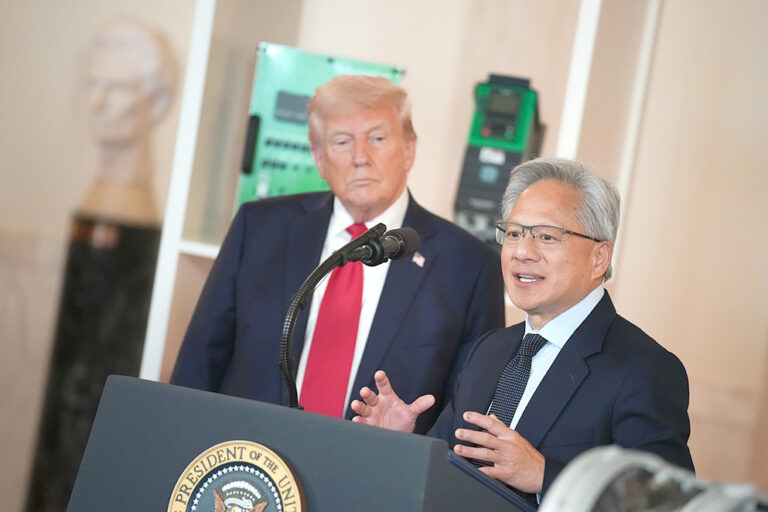
President Donald Trump said last week the military would hold off on detonating unstable explosives at an Iowa ammunition plant until a federal appeals court rules on the matter. The court ruled in favor of the detonation. Photo by Alex Wong/Getty Images
Why didn’t the government dispose of dangerous munitions in Iowa before they became unstable?
The U.S. military’s decision to detonate almost five tons of unstable explosives at an ammunition plant in Iowa on Wednesday, potentially sending a plume of toxic lead dust across the region a day before Thanksgiving, raises many pressing questions. Why were nearby residents unaware of the crisis until recent weeks? Did the government exhaust safer disposal options? Perhaps most important: How in the world did the U.S. military end up responding to such an unnecessary emergency?
Army officials said they learned in March that lead azide stored at the Iowa Army Ammunition Plant had dangerously deteriorated. The explosive was kept in 68 drums with a mixture of water and ethanol to prevent it from becoming reactive. As the stabilizing liquid evaporated, explosive crystals formed.
But documents obtained by The Post challenge that timeline. American Ordnance, the contractor that operates the plant, asked a disposal company in September 2025 to develop a plan to neutralize and dispose of the same 68 drums — nearly six months before the Army says it learned they posed a danger. In February, the contractor told the company that the government had decided to pursue another approach based on safety concerns.
The Iola Register needs your voice. We welcome your on-topic commentary. Comments are moderated for civility. Please read our Comment Policy before commenting.








Leave a Reply
You must be logged in to post a comment.