Hold onto your hats, but Congress needs a pay raise
Members of the House and Senate haven’t received any bump to their $174,000 annual salary since 2009, and that’s bad for the country. The 27th Amendment stipulates that lawmakers may not raise their own pay — just that of future Congresses. Friday’s new Congress should do so for the next.
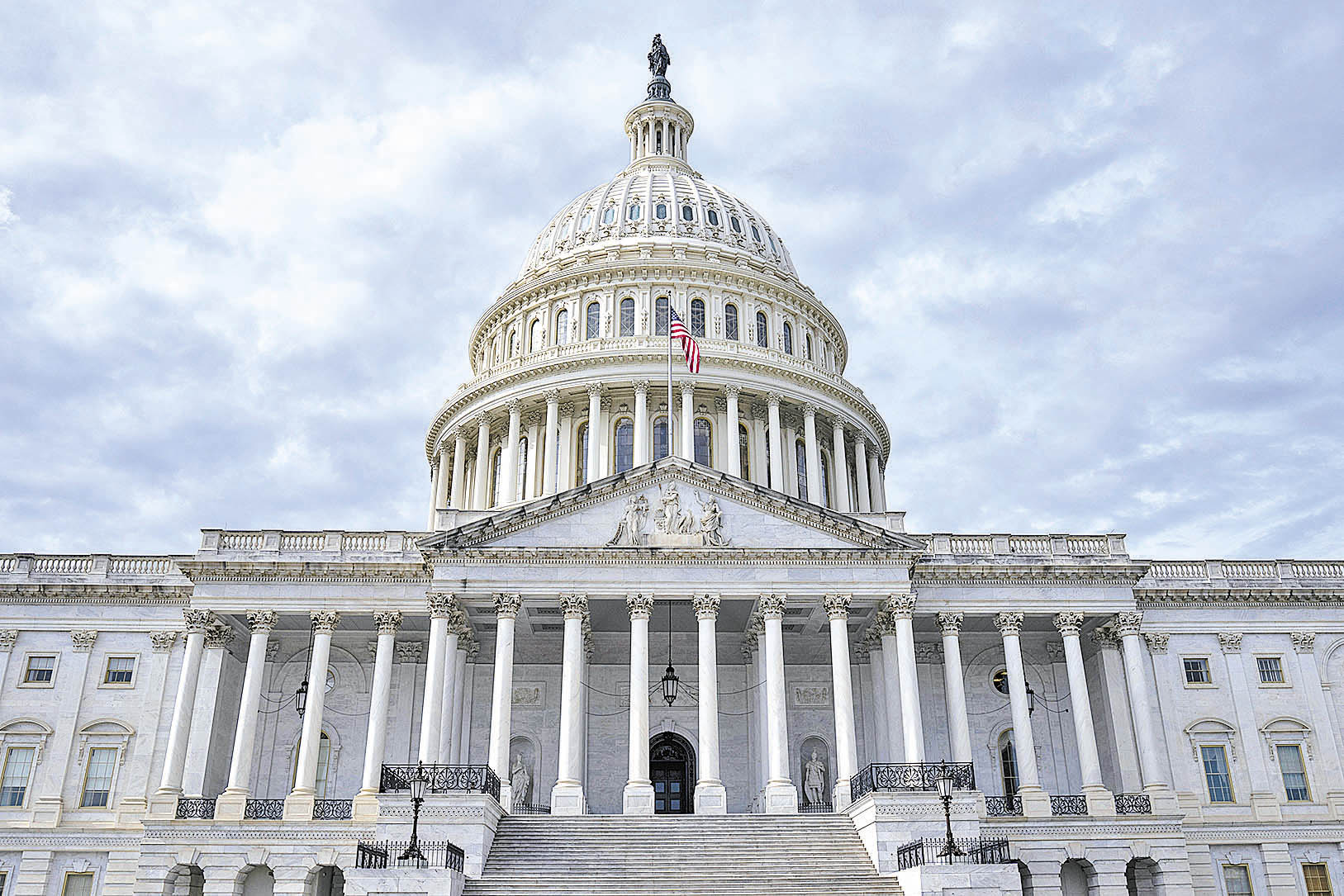
The Capitol is seen in Washington, Nov. 4, 2024. Photo by AP Photo/J. Scott Applewhite
Members of the House and Senate haven’t received any bump to their $174,000 annual salary since 2009, and that’s bad for the country. The 27th Amendment stipulates that lawmakers may not raise their own pay — just that of future Congresses. Friday’s new Congress should do so for the next.
As a new Congress is sworn in Friday, this might seem like a bad time to talk about raising federal lawmakers’ pay. A government funding package failed last month, throwing Washington into a frantic effort to keep the government open, in part because it included a small pay increase for members of Congress.
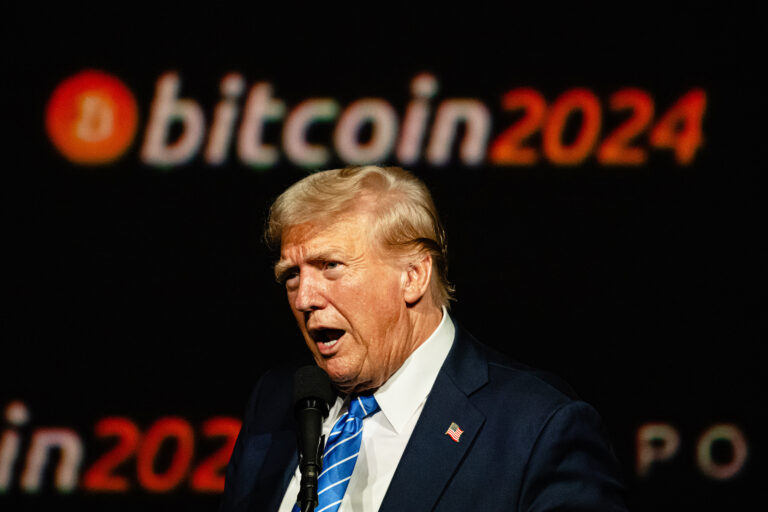
Elon Musk, the world’s richest man, posted falsely that the provision meant members would get a 40 percent pay increase — more than 10 times the reality. His post has 34 million views. Following his lead, President-elect Donald Trump wrote that “this is not a good time for Congress to be asking for pay increases.”
Front-line members joined the chorus: Rep. Marie Gluesenkamp Perez (D-Washington) said a pay boost, “any way you slice it,” would be “bananas.”
The Iola Register needs your voice. We welcome your on-topic commentary. Comments are moderated for civility. Please read our Comment Policy before commenting.









Leave a Reply
You must be logged in to post a comment.