Why nature is a good defense against natural disasters

When ecosystems such as floodplains and forests are healthy and intact, they reduce physical damage from extreme events and the financial losses that follow. But when they erode or outright vanish, hazards become more destructive and costly.
Published: February 10, 2026
| Preferred source Add The Iola Register as a preferred source on Google. Google Search will then show you more of our stories in Top Stories. Opens Google; you may need to sign in.

When ecosystems such as floodplains and forests are healthy and intact, they reduce physical damage from extreme events and the financial losses that follow. But when they erode or outright vanish, hazards become more destructive and costly.


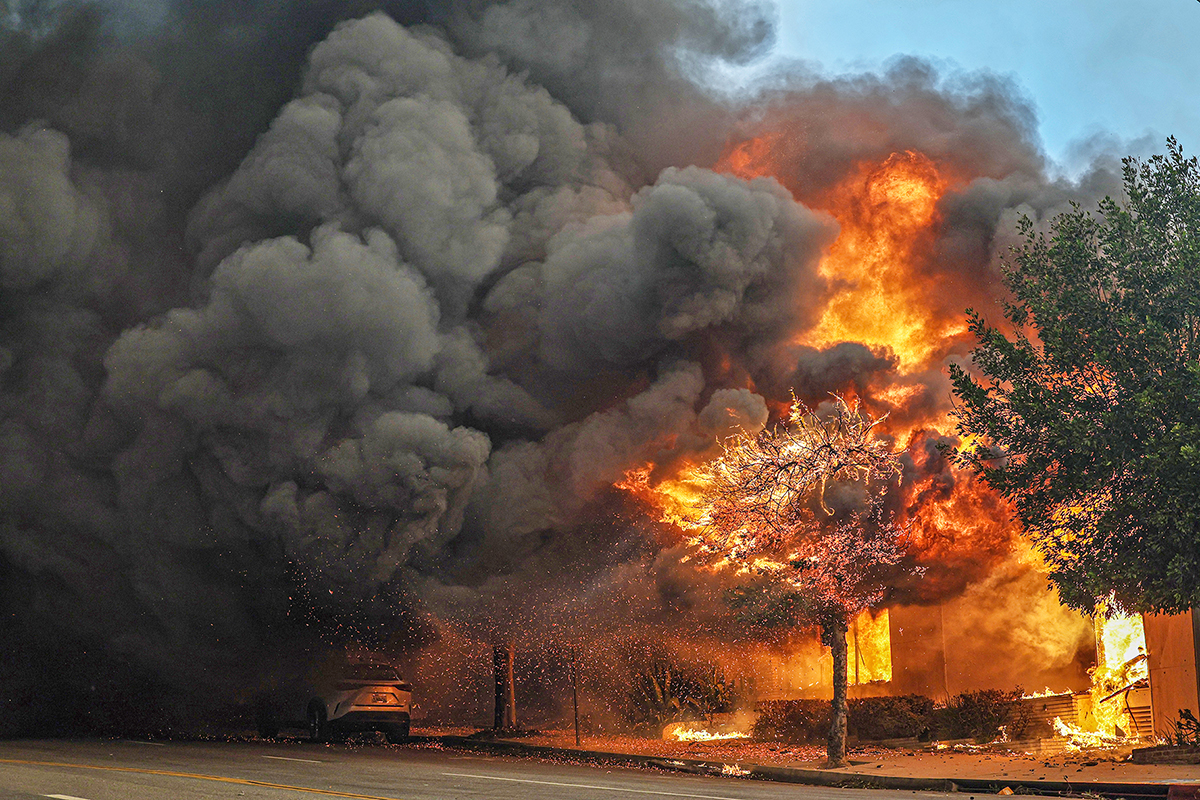
More than a year after the 2025 Los Angeles wildfires, the economic aftershocks of the disaster still permeate the lives of the people who survived it. 

Fewer than a dozen homes in some of the city’s hardest-hit neighborhoods have been fully rebuilt. Families remain scattered across temporary rentals, and many are still grappling with letters from their insurers announcing higher premiums, reduced coverage or no renewal at all.

Why is it getting so much harder for communities like L.A. to bounce back after disasters? Part of the answer lies in the rapid and dramatic breakdown of nature’s ability to shield communities from extreme weather, according to a new report by World Wildlife Fund.

David Kuhn – Los Angeles Times/TNS

Leave a Reply

The Iola Register Comment Policy

The Iola Register needs your voice. We welcome your on-topic commentary. Comments are moderated for civility. Please read our Comment Policy before commenting.