Sharing meals together as a family can be beneficial to children and adults alike. Young children show improved literacy skills and gain improved food habits. Older adults not only eat better, but increase socialization.
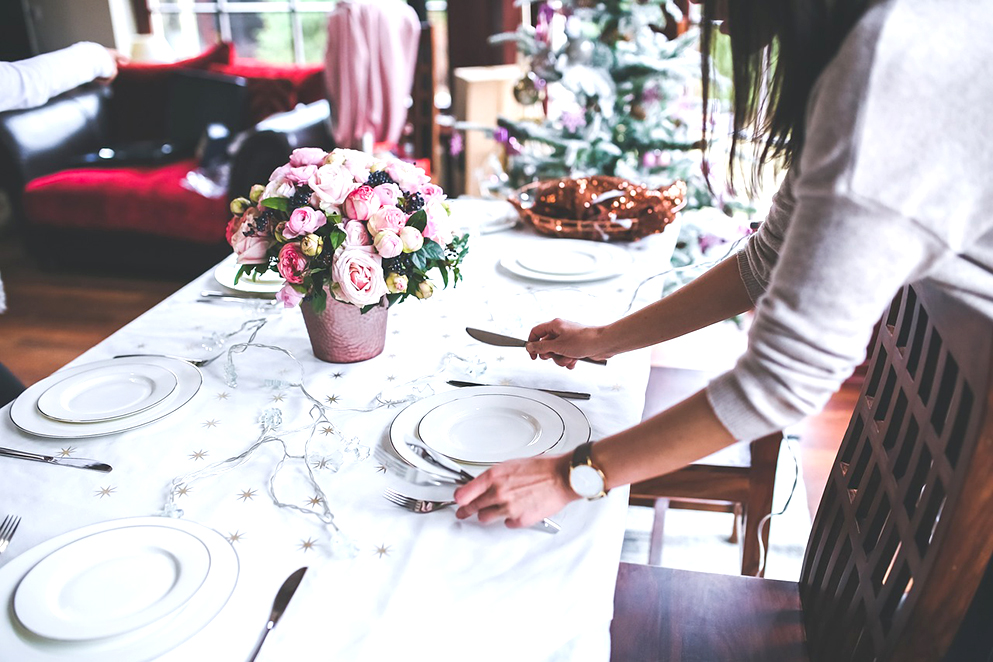
Shared meals provide a great amount of good for the entire family. Photo by PIXABAY
Sharing meals together as a family can be beneficial to children and adults alike. Young children show improved literacy skills and gain improved food habits. Older adults not only eat better, but increase socialization.
As parents, educators, and researchers, search for answers about the well-being of the American family, it is apparent that family meals tell us a lot about how those families become and stay connected.
Shared meals provide a great amount of good for the entire family. Young children show improved literacy skills and gain improved food habits. Older adults not only eat better, but increase socialization. Intergenerational family meals help preserve and pass along family culture, traditions, and values.
Despite all the directions families are pulled today, parents are still the biggest influence on the food and meal habits of their children. It is important to realize that meals don’t need to be home-cooked masterpieces in order to serve the purpose. Focus on familiar foods that fit the time, skills, and favor of your family. The meals don’t necessarily have to take place at home around the dinner table either. Based on the scheduling barriers, dinner could be a picnic at the park between practices or meetings. If dinners are impossible due to busy schedules, give family breakfasts a try.
The Iola Register needs your voice. We welcome your on-topic commentary. Comments are moderated for civility. Please read our Comment Policy before commenting.








Leave a Reply
You must be logged in to post a comment.